AI Image Generators: Create Professional Visuals in Seconds
AI image generators turn text descriptions into high-quality images using diffusion models and neural networks. From concept art to marketing assets, these tools remove technical barriers and speed up creative workflows.
What Are AI Image Generators?
AI image generators are tools that use artificial intelligence algorithms — especially diffusion models and GANs — to create original images from text descriptions. They let anyone produce high-quality visuals without technical design skills.
The technology evolved drastically between 2023 and 2026: from images with visible artifacts to results that rival professional photography and studio illustration. Applications range from concept art and advertising to product prototyping and social media content creation.
TL;DR — AI Image Generators in 2026
Tools that turn text prompts into professional-grade images in seconds, powered by advanced diffusion models like Flux and DALL-E.
- Midjourney V8.1 leads in artistic quality and refined visual aesthetics
- DALL-E 3, built into ChatGPT, offers the best conversational experience
- Flux from Black Forest Labs dominates photorealism and text rendering
- Open-source models like Stable Diffusion give you full control and local use
- Prices range from free to $30/mo — pick based on the volume and quality you need
How to Choose an AI Image Generator
Choose between photorealism, illustration, concept art, or graphic design based on the needs of your creative project.
Best AI Image Generators of 2026: The 6 Most Powerful Compared

Midjourney: Best Artistic Quality
The leader in artistic quality and visual aesthetics. V8.1 brought significant gains in coherence, detail, and prompt adherence. Discord-based interface with an expanding web editor.
DALL-E 3: Most Accessible
Natively integrated into ChatGPT, it delivers the most accessible image generation experience. Automatic prompt rewriting via GPT-4 improves results for beginners.
Flux: Best Photorealism
From Black Forest Labs (the creators of Stable Diffusion), it dominates photorealism and text rendering. Transformer + diffusion architecture for maximum semantic coherence.
Stable Diffusion: Open Source
An open-source model you can run locally with no API costs. A rich ecosystem of extensions, LoRAs, and ControlNets for full control over the generation process.
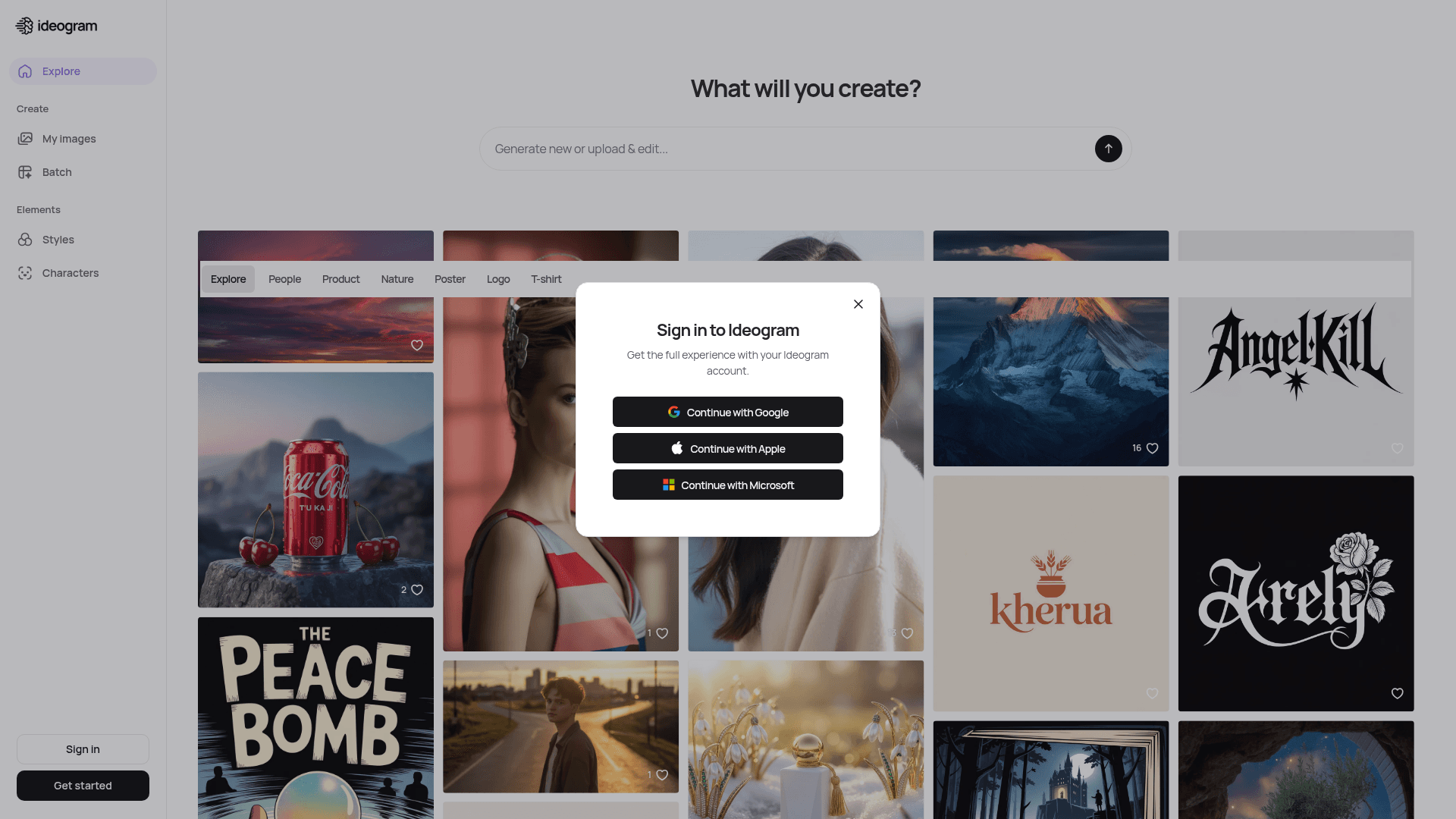
Ideogram: Best Text in Image
A specialist in rendering legible text inside images. Ideal for logos, posters, and materials that require typography integrated into the generated visual.

Adobe Firefly: Commercial Safety
Integrated into the Adobe ecosystem (Photoshop, Illustrator). Trained only on licensed content, offering legal safety for professional commercial use.
How AI Image Generators Work
Most modern generators use diffusion models: neural networks trained to reverse a process of gradually adding noise to images. During generation, the model starts from random noise and progressively refines it until it produces an image consistent with the prompt.
Models like Flux combine transformer architectures with diffusion, achieving greater semantic coherence and better prompt adherence. DALL-E 3 adds a layer of automatic prompt rewriting via GPT-4, improving results for non-technical users.
Advanced techniques such as ControlNet, img2img, and inpainting allow granular control over composition, pose, and style, bringing these tools closer to professional editing software.
Use Cases for AI Image Generators
Design and advertising: marketing teams create visuals for campaigns, social media posts, and banners in minutes. The speed of iteration lets them test dozens of concepts before investing in a photo shoot.
Game development and entertainment: concept artists use generators as a starting point for characters, environments, and assets. AI accelerates the ideation phase without replacing human artistic refinement.
E-commerce: stores generate product images in different scenarios and styles without photo sessions. Color, background, and composition variations are created instantly.
Education and research: illustrations for teaching materials, data visualizations, and conceptual representations are generated on demand, reducing editorial production costs.
Conclusion
The convergence of image and video generation is accelerating. Models like Veo 3.1 and Kling 3.0 already produce videos from generated images, creating fully automated creative pipelines from concept to animation.
Natural-language editing — asking for specific changes to existing images using text — is becoming the standard. Tools like Gemini 3 and GPT-5 with vision enable conversational iterations on any image.
Questions of intellectual property and authenticity remain under debate. Digital watermarks, provenance metadata, and specific regulations are being implemented globally to distinguish AI-generated content.
Comparison: AI Image Generators
| Tool | Strong Style | Text in Image | Open Source | Base Price | Commercial Use |
|---|---|---|---|---|---|
| Midjourney | Artistic | Good | No | $10/mo | Yes (paid) |
| DALL-E 3 | Versatile | Good | No | Included in ChatGPT Plus | Yes |
| Flux | Photorealistic | Excellent | Partial | Pay-per-use API | Yes |
| Stable Diffusion | Customizable | Moderate | Yes | Free (local) | Yes |
| Ideogram | Design/Typography | Excellent | No | Free + Paid | Yes (paid) |
| Adobe Firefly | Professional | Good | No | Included in Creative Cloud | Yes |
Perguntas Frequentes
Share